
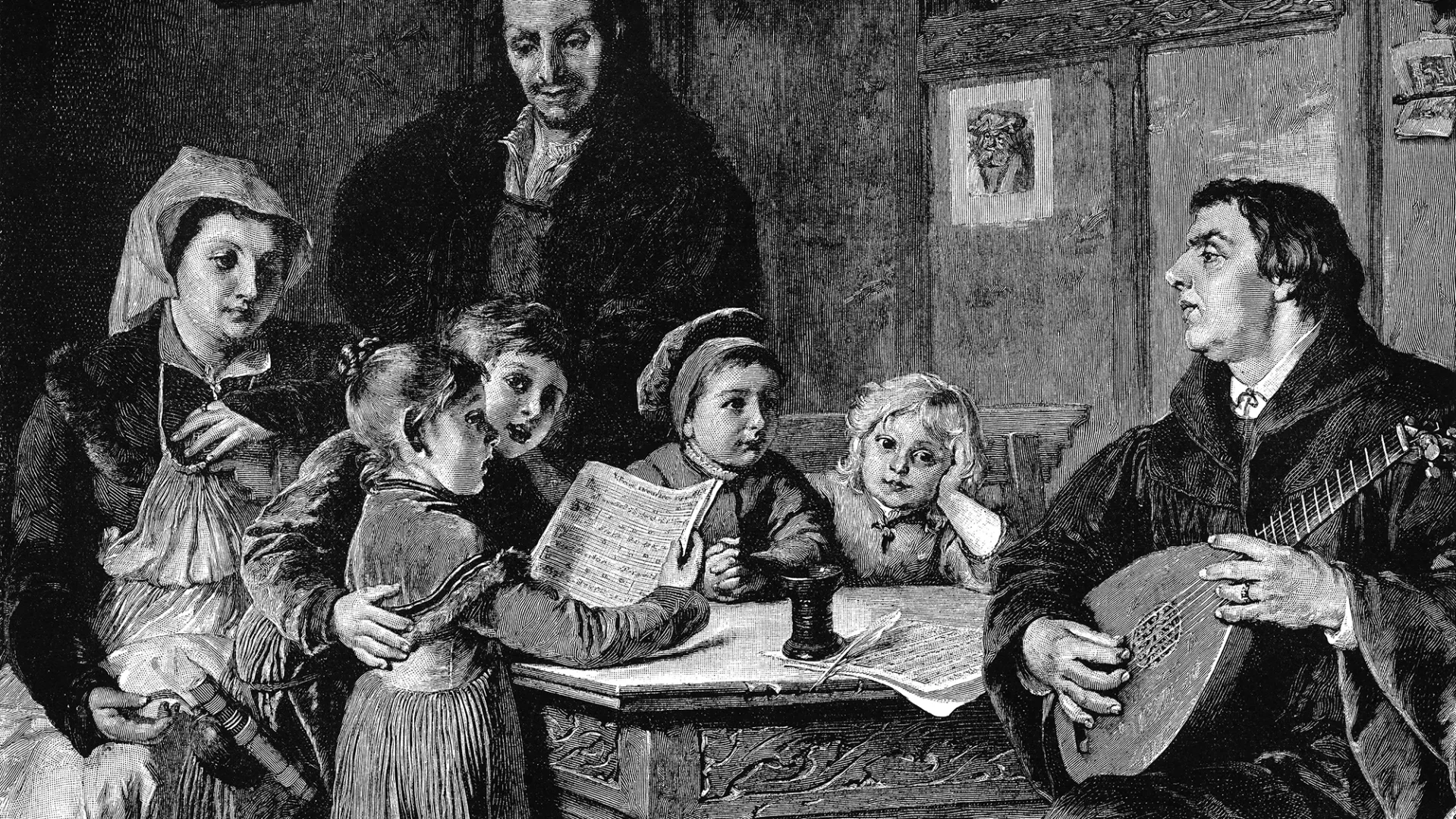
Family Worship
Worship of the family, in the home, throughout the week, to the glory of God
Toward a Proper Order of Family Worship in The Home
“The home is the seminary of the church, and family worship is the means by which we train up a generation to know the Lord.”
Joel Beeke
Family worship is not merely a routine or a tradition—it is the God-ordained means by which a household grows together in knowledge of, love for, and obedience to the Lord. The home is the first sphere of discipleship, where children are taught the ways of God, parents model godly living, and the entire family is encouraged to walk in covenant faithfulness. Through regular worship—reading Scripture, singing, praying, confessing sin, and memorizing catechisms—the family cultivates a rhythm of grace, grounding each member in the truths of God’s Word.
Biblical Foundations
The Covenant Pattern – God’s covenant dealings always include households (Gen. 17:7; Acts 16:31–34). Family worship reflects the covenant promise that “I will be your God, and the God of your children after you.” God delights to see His praises rise not just from individuals, but from generations.
The Parental Mandate – Fathers are commanded to “bring [their children] up in the discipline and instruction of the Lord” (Eph. 6:4). This task is not to be outsourced to the church or school, but begins in the home. Fathers lead, mothers reinforce, and children learn
The Daily Rhythm of Worship – Scripture depicts morning and evening sacrifices (Ps. 92:1–2), Daniel’s daily prayer (Dan. 6:10), and continual praise (Ps. 55:17). Family worship extends this pattern into our homes, framing each day by the Word and prayer.
Benefits of Family Worship
Strengthens Covenant Faithfulness: Keeps God at the center of household life.
Fortifies the Next Generation: Implants the Word in young hearts (2 Tim. 3:15).
Builds Spiritual Unity: Families that pray and sing together are knit together in grace.
Sustains the Church: Strong churches are built on worshipping families.
Resists Worldliness: Daily renewal of the mind guards against cultural conformity.
Leading Family Worship
The husband, as the head of the household, carries a unique responsibility in this spiritual formation. Scripture calls him to be the prophet, priest, and king of his home making worship an obligation not an option:
Prophet: He faithfully teaches the Word of God, instructing his family in truth and correcting error (Deut. 6:6–9; Ephesians 6:4).
Priest: He leads the family in prayer, confession, and sacramental observance, presenting his household before God with intercession and thanksgiving (1 Tim. 2:1–2; Heb. 13:15).
King: He governs his household with loving authority, protecting, providing for, and guiding his family according to God’s will (Eph. 5:23–25; Col. 3:18–21).
In this calling, the husband exemplifies Christ to his family: loving, teaching, disciplining, ruling, and serving. Family worship under his leadership is thus both a means of grace and a fulfillment of God’s design for covenant households, nurturing faith that will endure for generations (Psalm 78:1–7).
Suggested Order of Family Worship
Opening Psalm of the Month (singing)
Bible reading (larger passage)
Catechism memorization/review
Confession of sin and family prayer
Singing Doxology
Optional: Closing hymn or blessing
Proposed Order of Worship Explained
Sing Psalm of The Month
Stand to train children to stand in church
Read
Go through books of the bible reading larger passages to help younger children understand the larger narrative
As children get older gradually get more granular
Discuss aspects of the text that relate to the church in their current state.
i.e. obedience to parents, loving brothers and sisters, doing well in school, letting your yes be yes, not sowing discord, etc.
Catechism Memorization
Choose a catechism commensurate with the child’s ability
Confession of Sin & Family Prayer
Assume a posture of kneeling to train children
Teach younger children how to confess sins to God
After individual/quiet prayers of confession, pray aloud for forgiveness, family growth & need, and the needs of the church.
Sing Doxology
Stand and raise hands to train children
Additional Notes
Flexibility: Life can be hectic; be creative and be prepared to do family worship in ways that you might not expect. e.g. In the car if needed. If you are unable to do family worship every night don’t beat yourself up, just aim for it to be a normal rhythm and occurrence in your home.
Family Involvement: Rotate reading among children if possible. Involve children in prayer and confession as well.
Consider praying for different things. Use the acronym ACTS. Adoration, Confession, Thanksgiving, Supplication.
Younger Children: Use simple summaries of the Bible passages and catechism Q&A. Teach themes of scripture, not deep theology. They will understand this better while they’re young.
Recommended Resources
The Westminster Directory for Family Worship (1647)
Joel R. Beeke, Family Worship
Donald S. Whitney, Family Worship
Thomas Manton, Exposition of the Lord’s Prayer
The Cantus Christi, The Book of Psalms for Worship
Westminster Shorter Catechism
Rich Lusk, I Belong to God: A Catechism for Covenant Children
TRC Session